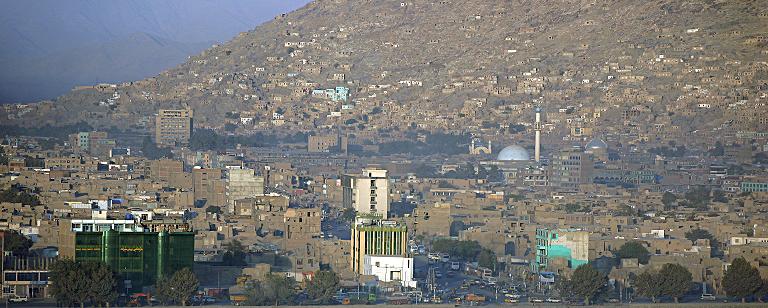

August 2021: a government changes. A rulebook follows.
The Taliban returned to power on 15 August 2021. The school ban made the news. The list behind it is far longer.
Close to 100 edicts, decrees and directives aimed at women and girls in five years.
Reversed so far: none, says Equality Now.
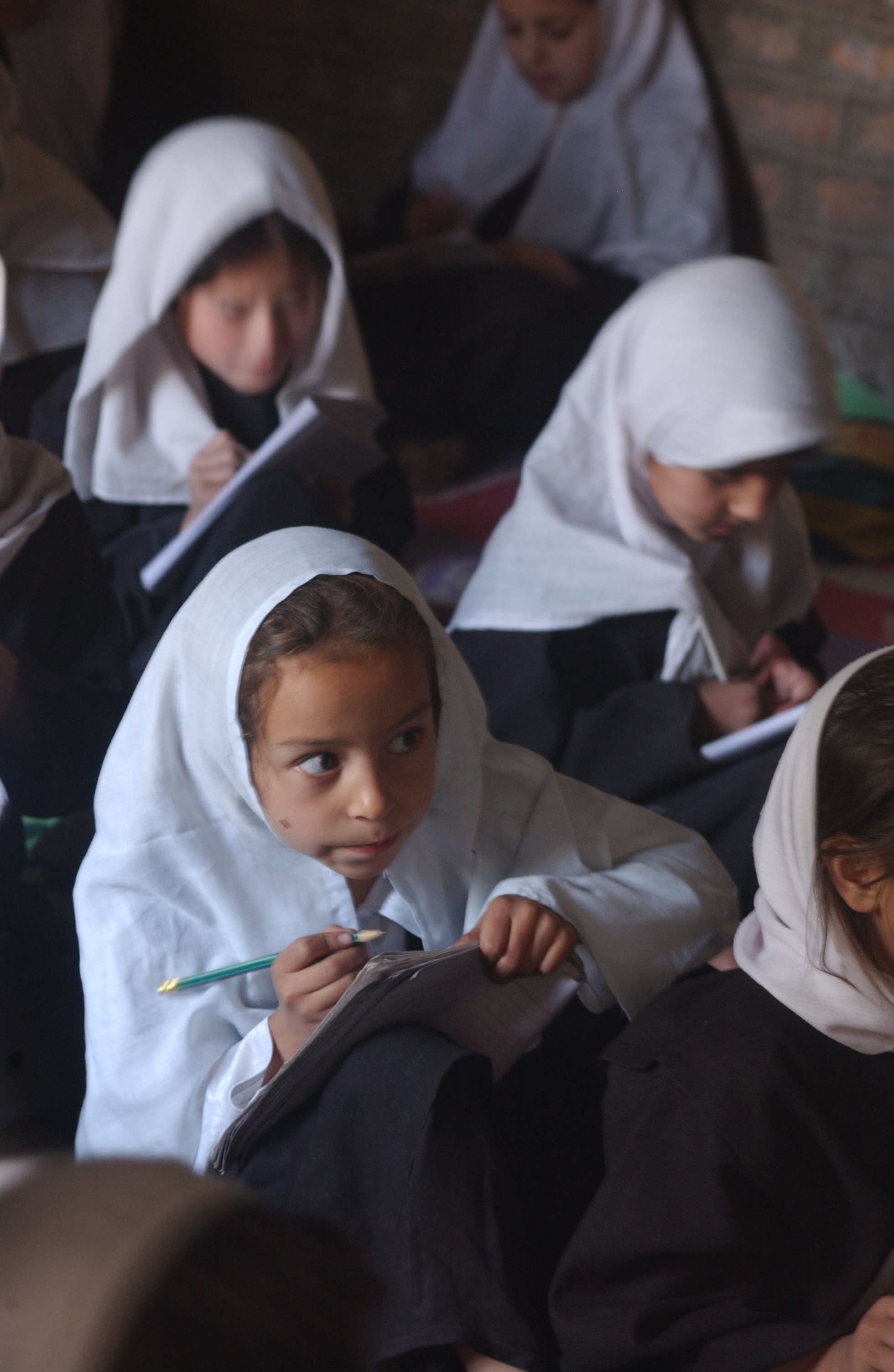

Only one country on Earth has this rule
Afghanistan is the only country that formally bans girls and women from school beyond primary level.
Universities closed to women in December 2022. Women may not teach boys either, so teacher shortages grow for everyone.
From nearly 1 million in class to 2.4 million shut out
The bars count different things: girls enrolled then, girls locked out now. Both numbers come from UNESCO.
Source: UNESCO, 11 Aug 2026
There were laws. Imperfect, but real.
The 2004 Constitution promised men and women equal rights. A 2009 law made 22 kinds of violence a crime, from forced marriage to rape.
Girls married under 18 fell from 46% in 1998 to 29% in 2023. Then the institutions behind those laws were closed.
Source: Equality Now, 14 Aug 2026
Eight of the doors that closed, in order
Sources: Feminist Majority Foundation, Equality Now, UN News
Four in five young women have no school, no job, no training
Women have been barred from NGO work since December 2022 and UN work since April 2023. By January 2026, women civil servants were off the payroll. Some found out when a salary did not arrive.
Households headed by women struggle most: 88% cannot meet basic needs, against 74% of those headed by men.
Sources: UN Women, Aug 2025; Equality Now (citing UNDP)
women judges lost their jobs
All judges from the old government were dismissed. Today there are no women judges, prosecutors or registered lawyers.
To reach a court, a woman needs a male chaperone. Often he is the man she needs protection from.
Source: Equality Now, citing the UN Special Rapporteur
The nurses of tomorrow cannot train
Since December 2024, women are barred from studying medicine, midwifery, nursing, radiology and dentistry. In most of the country, norms say a woman sees a woman.
A UN expert found this was a deliberate policy choice, not a lack of money.
Source: Equality Now
morality inspectors enforce the 2024 law. It treats a woman's voice as something to hide: no singing, reciting or reading aloud in public.
In 2024 UN consultations, about 8 in 10 women said they were denied access to public space.
A law on ending a marriage that never says when one may begin
Decree 18 covers how a marriage can be dissolved. It sets no minimum age for marrying. A girl past puberty who stays silent loses the right to challenge a marriage her father or grandfather arranged.
The Guardian reported families in the north selling daughters as young as two months old to settle debts.
Sources: Equality Now; The Guardian, 15 Jul 2026
The world has a name for it
In December 2025, the Peoples' Tribunal for the Women of Afghanistan found crimes against humanity. It is a civil society tribunal, not a state court. The UN Special Rapporteur found persecution on grounds of gender.
The UN women's rights committee called it one of the most severe reversals ever recorded. UNESCO warns GDP shrinks by two thirds by 2066 if the university ban stays.
Sources: Equality Now; UNESCO
learners reached by UNESCO community classes and skills courses. 73% are women.
They do not replace school. They keep a door ajar.
- UNESCO, 11 Aug 2026
- Equality Now, 14 Aug 2026
- Feminist Majority Foundation timeline
- UN News on the 2024 law
- AP via NBC News, Aug 2024
- UN Women gender alert, Aug 2025
Figures are as reported by these sources, checked 28 Nov 2026. The edict count is Equality Now's. Photos: Wikimedia Commons, public domain, credited above.
Nearly 1 million girls, then a ban
In 2021, nearly 1 million girls were in secondary school. Five years later, a formal ban covers all of them. Follow the strings.
August 2021
The Taliban take power. The school ban made the news. The list behind it did not.
First, what was there
A constitution, a violence law, falling child marriage. Not perfect. Who switched it off, and how?
One door at a time
Close to 100 edicts in five years. The timeline shows eight. Watch what each one takes away.
The classroom door
2.4 million girls are shut out of secondary school. No other country has a formal ban like this.
The workplace door
Nearly 80% of young women are in no school, job or training. Young men: 20%. Same country.
The courtroom door
About 270 women judges were dismissed. Who do you call when the chaperone is the problem?
The clinic and the street
In most of the country, women see women doctors. Women can no longer train as nurses or midwives. Meanwhile 3,300 inspectors enforce the rules on dress and voice.
The climax: no minimum age
Decree 18, May 2026. It explains how to end a marriage. It never says how old a bride must be.
What the world says
A people's tribunal, a UN expert and a UN committee all use grave words. So far, none of it has reversed an edict.
The small payoff
70,000 learners, 73% of them women, still study in community classes. That is small next to 2.4 million. It is not zero.
What comes next
The tribunal and the UN have named it: crimes against humanity. Equality Now asks states to bring joint cases in international courts and to tie any talks with the Taliban to women's rights.