The belief
New ideas come from digging deeper in one field.
The record says otherwise.
A grape squeezer became a book maker.
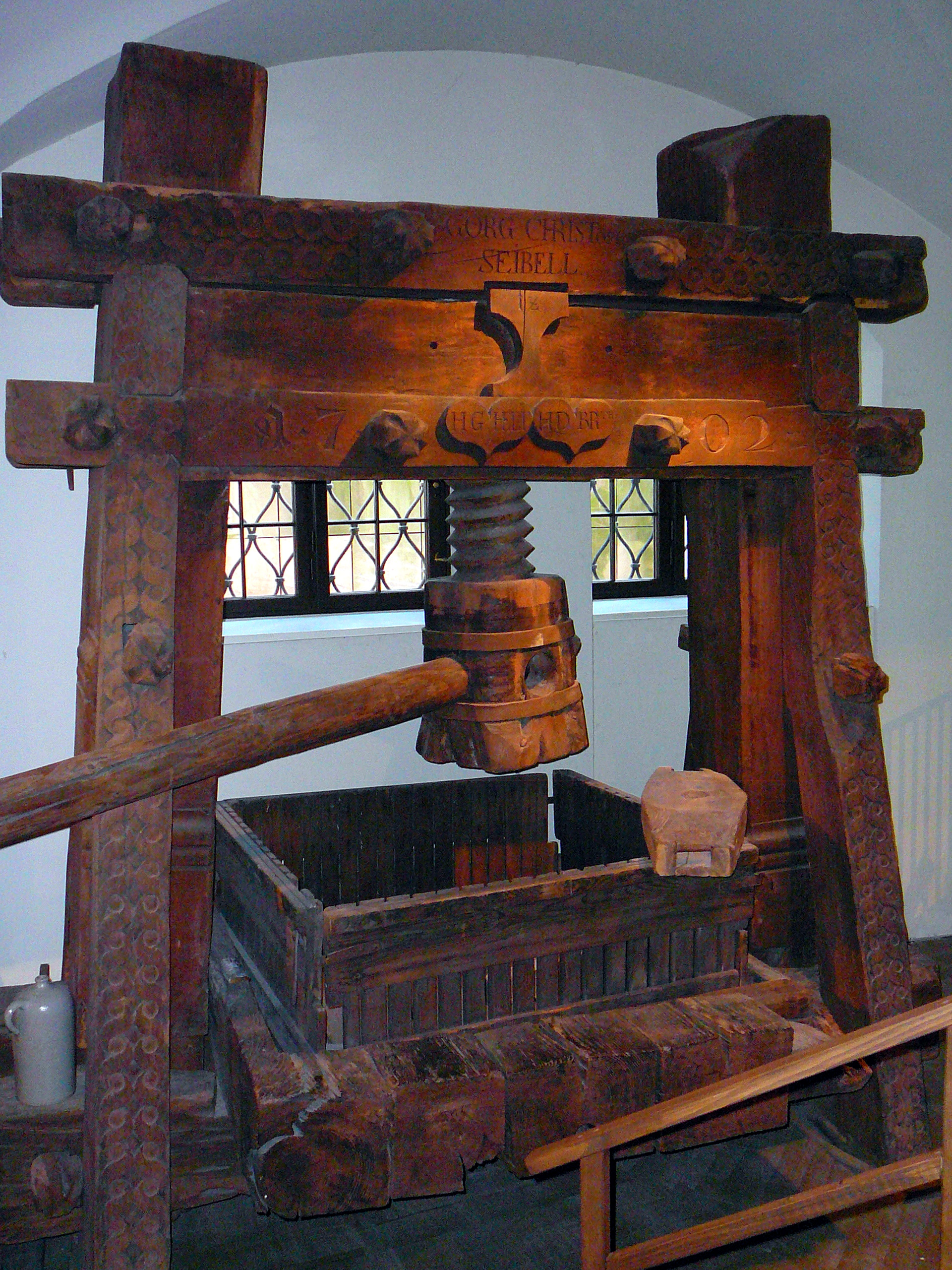
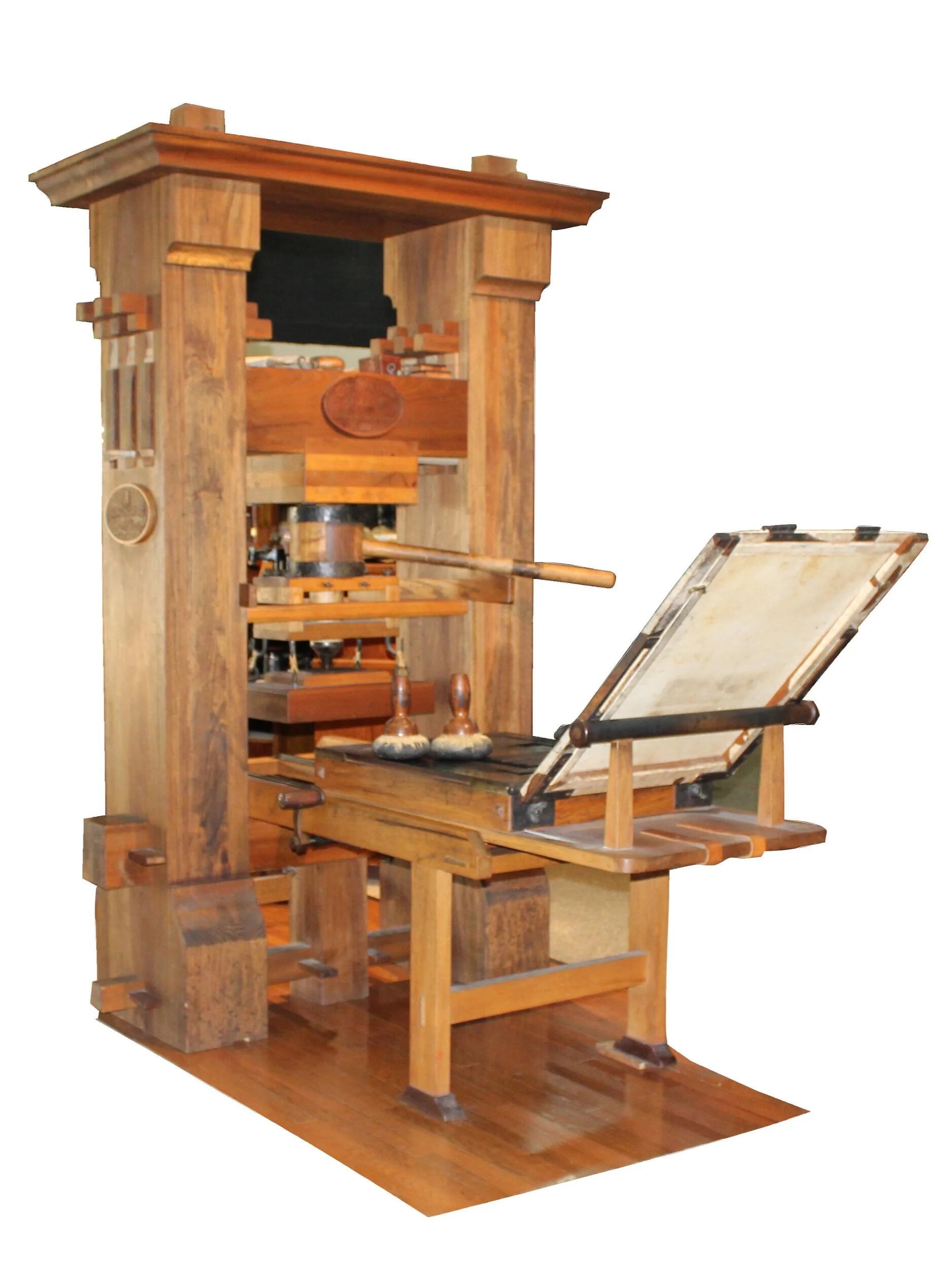
Around 1440, Gutenberg needed even pressure on metal type. Historians think he borrowed the winemakers' screw press.
A bird became a train nose.

faster
less energy
Engineer Eiji Nakatsu, a bird watcher, studied the kingfisher's beak.
Same shape, new costume.
The thief matches the need, not the object.
Top papers mix a normal base with one odd part.
17.9 million papers, every field. Hits came 9.11 per 100 vs 5 per 100.
The best thieves look normal.
Mostly standard. One part from far away.
Odd hobbies.
Science Nobel laureates were almost 3x as likely to have arts or crafts hobbies.
A link, not proof. Root-Bernstein, 2008
Foxes beat insiders.
Over 30% more accurate than analysts with classified files.
Analysts = 100. Good Judgment
Four moves to steal a pattern.
- Strip the problem. No industry words.
- Find who has the same shape, far away.
- Steal one part. Keep the rest normal.
- Test what breaks in the move.
Our method. AI can suggest analogies. You judge the fit.
This week, steal one.
Describe your stuck problem with no jargon. Ask who solved its shape.
We stole this page from four fields. No police yet.
Sources
- Uzzi et al. 2013. 9.11 per 100 is for high conventionality plus high tail novelty. 5 per 100 is the background rate.
- Root-Bernstein et al. 2008. Group comparison, a correlation.
- Good Judgment track record. Index 130 shows "over 30%".
- WEF Future of Jobs 2025.
- Britannica, Gutenberg. Wine press link is likely, not certain.
- Wikipedia, 500 Series for 10% and 15%. Weird Science History relays Nakatsu's account.
- Ding et al. 2023, AI analogies.
- Photos: Wikimedia Commons, credits under each image.
A job with no title
Some people get paid to steal a pattern from one field and use it in another.
The belief
We think new ideas come from going deeper in one field. Start with a wine press.
A grape squeezer became a book maker
Gutenberg needed even pressure on type. Historians think he borrowed the winemakers' screw press.
A bird became a train nose
A kingfisher's beak shaped a bullet train. It ran 10% faster on 15% less energy.
Same shape, new costume
A press and a book share nothing but one need, even pressure. The thief matches the need.
17.9 million papers, one pattern
Top papers came 9.11 per 100, against 5 for the rest. Is weird the secret?
The best thieves look normal
Mostly standard, with one part from far away. The skill is choosing which part.
Odd hobbies
Science Nobel laureates were almost 3x as likely to have arts or crafts hobbies.
Foxes beat insiders
Many-idea forecasters beat analysts with classified files by over 30%.
The job has no title
Seven in ten companies call analytical thinking essential. Pattern thieves hide inside other titles.
Four moves
Strip the problem, find the same shape far away, steal one part, test what breaks.
This week, steal one
Describe your stuck problem with no jargon. Ask who solved its shape.
Sources
Every number is linked on the sources card.