Five arrows. One rule: stay together.
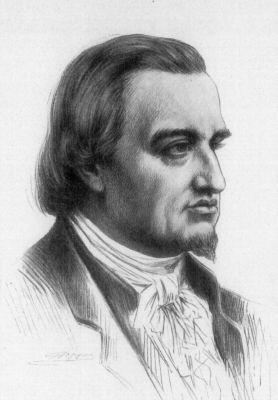

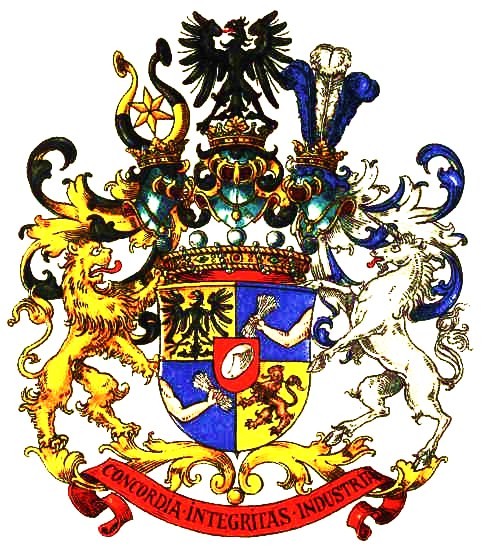

One arrow snaps easily. Five bound together do not. The motto reads Concordia, Integritas, Industria: unity, integrity, industry.
Source: The Cecily Group
Three of five houses closed. Two stayed open.
Only men could be partners, and cousins were encouraged to marry. That kept capital inside the family. It also meant a house without a son had no future.
Source: The Cecily Group. Naples end date shown approximately.
1810 to 1938: one contract, then a run of big jobs
Sources: The Cecily Group; Rothschild Archive; Wikipedia
The Waterloo story is mostly legend.
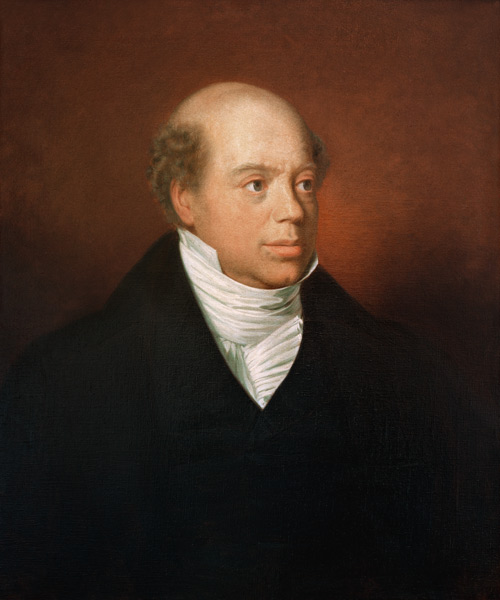

The tale: Nathan hears of Wellington's win first, fakes a panic, and makes a fortune.
The Rothschild Archive says he was not at the battle. He likely profited, but others made far more.
It began with an 1846 French pamphlet signed "Satan".
1980 to 2024: rebuild, merge, go private, hand over
Sources: The Cecily Group; FT; Reuters
Close to 55% of the shares gave the family 69% of the votes.
Rothschild & Co is an SCA, a French company form where the managing partner holds power. That partner is led by Alexandre de Rothschild and carries unlimited personal liability.
In 2023 the family holding offered €48 a share to buy the rest and delist.
Sources: Reuters, 6 Feb 2023; Annual Report 2022. Position at end-2022.
Dividend up 62%. Profit down 6%.
Fee income was €2.82bn vs €2.64bn a year earlier. Group net income was €413m vs €440m.
Source: Consolidated accounts, Dec 2025. Changes computed by vizmaya desk.
One founder, separate owners
Simplified: many generations omitted. Sources: Wikipedia; Lafite; Mouton; Cecily Group
Edmond de Rothschild, Geneva
Edmond Adolphe founded it in 1953. After Benjamin died in 2021, his widow Ariane took over. The group is described as fully family-owned.
Sources: EdR results 2025; EdR
RIT Capital Partners, London
In 1980 Jacob sold his 11% of NM Rothschild for £6.6m and left. He died on 26 February 2024. Press reports put the family stake near 13%.
Sources: FT; This is Money
Wine: two estates, two handovers
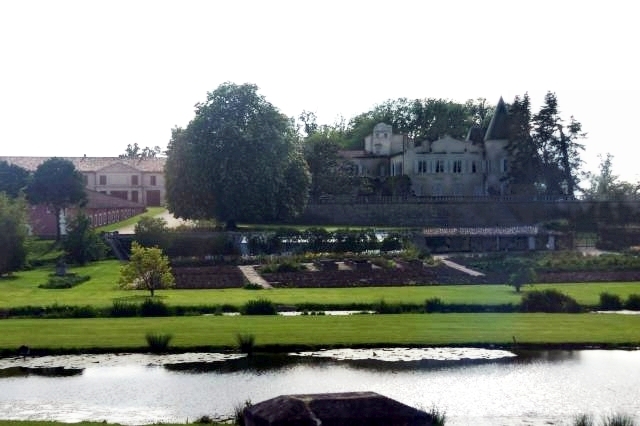

Éric de Rothschild ran Lafite from 1974 to 2018. His daughter Saskia took over.
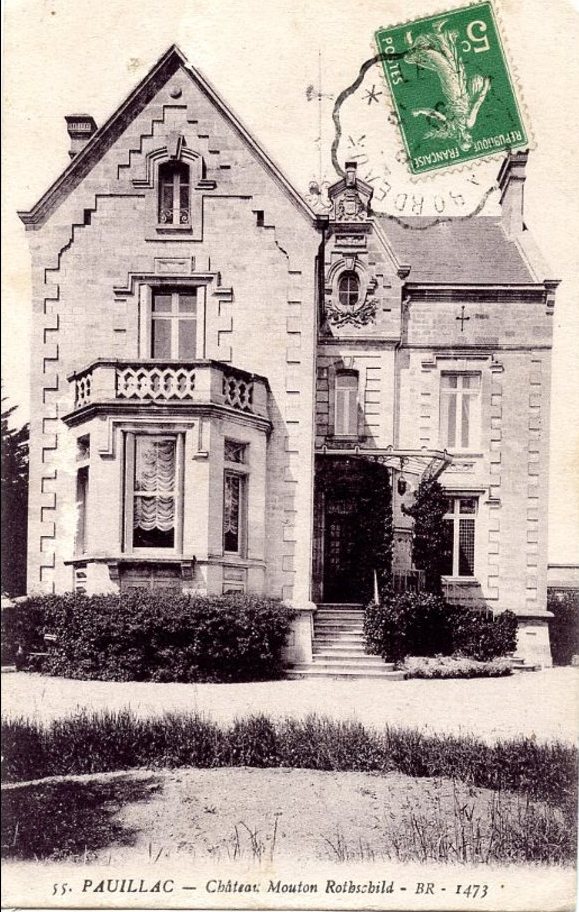

Baroness Philippine died in 2014. Her three children own the Mouton estates through a land holding company and lease them to the family firm.
Sources: Wikipedia; Baron Philippe de Rothschild SA
What a founder can copy
- Split control from capital.
- Spread out, but plan an heir for every branch.
- Change the rule before it breaks you.
- Go private to think in decades.
Our reading, not the family's.
Sources & method
- The Cecily Group, The Rothschild Succession
- Rothschild Archive, Waterloo
- Rothschild Archive, Egypt
- Reuters, take-private
- Rothschild & Co accounts 2025
- Edmond de Rothschild results 2025
- This is Money, RIT
- FT, Jacob Rothschild
- Baron Philippe de Rothschild SA
- More vizmaya stories
Ownership is shown as at end-2022. Later splits are not in our sources. Percent changes are vizmaya calculations. Images: Wikimedia Commons, public domain.
Five brothers. One deal. Two houses left.
In 1810 Mayer Amschel Rothschild and his sons signed one partnership. Of the five original houses, only London and Paris lasted. This board shows who holds what today, and how control got there.
The plan fit on a crest.
Five arrows in one fist. The 1810 contract made it real: shared profit, shared loyalty, one family unit. Did it hold?
Three of five houses closed.
Spreading across five cities beat any single war. It did not beat the rules. Only men could be partners, so Frankfurt closed in 1901 and Vienna was seized in 1938.
The first century was big jobs.
Nathan funded Wellington's army. The brothers became Austrian barons in 1822. In 1875 Lionel lent Britain £4 million, which bought 44% of the Suez Canal Company.
We went looking for the pigeon.
The famous Waterloo windfall is a legend, according to the family's own archive. Nathan was not at the battle. The record shows a profit, not a fortune.
Then the world reset.
France seized the bank in 1981 and David René started again with little. London and Paris united in 2003. Alexandre took the top job in 2018.
The trick is the structure.
An SCA keeps power with the managing partner, not with whoever owns the most shares. At the end of 2022 the family held close to 55% of shares and 69% of votes.
The firm is not small.
Fee income was €2.82bn in 2025 vs €2.64bn in 2024. Profit slipped 6% while the dividend jumped 62%, and after the 2023 delisting it goes to a small circle of family and partners.
Same founder, separate owners.
The Paris line holds Rothschild & Co and Lafite. A cousin branch holds Edmond de Rothschild in Geneva. The London line gave us Jacob and RIT, and the Mouton line traces back to Nathan.
Geneva runs on its own rules.
Assets under management reached CHF 198bn at the end of 2025 vs CHF 184bn a year before. The 1810 rules had no seat for a woman who married in. Ariane now leads the group.
London took a different road.
Jacob walked out in 1980 and built RIT. £10,000 in 1988 became £345,000 by 2024. His death in February 2024 raised the question of who would hold his family stake.
Wine is the slowest handover.
Éric ran Lafite for 44 years, then passed it to his daughter Saskia in 2018. Mouton moved to Philippine's three children after 2014. Two women now sit where the old rules allowed none.
Four moves anyone can copy.
Split control from capital. Plan an heir for every branch. Change the rule before it breaks you. Go private to think in decades.
Control by design, not luck.
The rules that built the empire nearly ended it. The fix was to change the rules. Alexandre is the seventh generation, so the eighth is the next test.